How to Spot Cockroach Signs Before an Infestation Grows
Cockroaches are good at staying out of sight. By the time one crosses a kitchen floor in daylight, there may already be a hidden nest nearby. The aim of early detection is not to catch every insect. It is to notice the small clues early enough to make the home less welcoming and to choose the right cockroach control advice before the problem spreads.
Work through the home in a set order. Start with the places that give roaches what they need: food, water, warmth and tight shelter. Move slowly, look low, and pay attention to marks that are easy to mistake for dirt. A torch held at a shallow angle can reveal movement and residue that a bright overhead light washes out.
Start at the kitchen, where food clues appear first
Open the cupboard under the sink and look along the back wall, around pipe openings and beneath the basin. Cockroaches squeeze into tiny gaps, so a neat cupboard can still have a problem behind the stored bags. Check the underside of the sink lip, the inside of the cabinet door and the corners where the base meets the wall. Damp paper, cardboard packaging and cloth bags are useful hiding places, especially when they sit close to plumbing.
Next, inspect the stove, fridge and small appliances. Pull only what can be moved safely, and avoid working around live electrical parts. Look behind the fridge, under the feet and around the drip tray if one is fitted. Warmth from appliances attracts insects, and crumbs collect in the same places. A few dark specks near a refrigerator motor or beneath a toaster may be more than ordinary kitchen grime.
Pay attention to food storage. Cockroaches can contaminate what they touch, so open packages, flour, cereal, pet food and loose produce deserve a careful look. Watch for small brown droppings, a musty odour, torn packaging and insects that scatter when a cupboard light comes on. Discard contaminated food rather than trying to clean around it. Wipe shelves with a suitable household cleaner after the area has been checked.
Check bathrooms and laundry areas for water and shelter
In bathrooms, focus on moisture. Look under the vanity, around the toilet base, along the edge of the bath and near floor drains. A small leak or a persistently damp corner can support cockroaches even when food is scarce. Peeling caulking, loose wall tiles and gaps around pipe penetrations are entry points as well as hiding places.
Laundry rooms often offer the same conditions. Check behind the washer and dryer only if they can be moved without strain or risk. Look for lint, paper scraps and water residue on the floor. Cardboard boxes stored near a dryer create warm, dry cover. Plastic bins with tight lids are easier to inspect and keep cleaner.
At each water source, ask what is feeding the moisture. A dripping tap, a blocked drain or a condensation problem will keep drawing pests back. Simple drying and wiping help, but repairs involving plumbing or electrical fittings belong to a qualified professional. Do not open sealed systems or work on anything switched on. The purpose at this stage is to record the signs and reduce easy access, not to take apart a fixture.
Look for the marks cockroaches leave behind
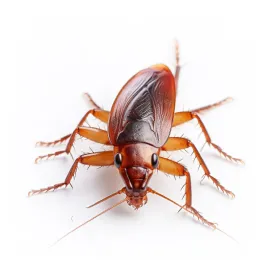
Droppings are among the clearest signs. Depending on the species, they may look like black pepper, tiny dark pellets or short streaks. They collect in corners, inside drawers, along baseboards, under sinks and behind appliances. Fresh droppings are usually darker and softer, while older ones dry and crumble. Do not rely on a single speck. A repeated pattern in several sheltered spots is more meaningful.
Shed skins are another clue. Young cockroaches grow by moulting, and the pale, hollow cases can resemble dead leaves or bits of brown paper. They are often found near the same hidden routes as droppings. Egg cases are more concerning because they hold developing insects. Some are small, brown and ridged, while others are darker and more capsule-like. If one is found, note the exact spot and check nearby crevices before disturbing it.
Smears can appear on vertical surfaces, especially along regular travel paths. They may look like grey or brown rub marks where insects have brushed past grime. Cockroaches also leave a lingering, oily odour when numbers build up. That smell is not a reliable early sign on its own, since other household odours can be similar, but it adds weight when paired with droppings or live sightings.
Pest Agent provides household pest advice, ranked local exterminator comparisons and recommended products. That kind of context can help when the signs point to more than a minor, isolated sighting, especially if the same clues keep appearing after cleaning.
Trace activity from the edges of a room inward
Cockroaches tend to move along edges rather than across open space. Follow baseboards, the backs of cupboards, pipe runs and the seams where flooring meets walls. In a bedroom, check under beds, inside bedside tables and behind pictures or mirrors that stay close to the wall. In a living area, look behind soft furnishings, inside entertainment units and around floor vents. Roaches do not need filth to survive, but they do need cover.
Use a slow visual sweep rather than a frantic search. Shine a torch along the floor line, pause, then look again. Movement may be brief, with an insect retreating into a crack before the eye settles. Notice the direction it runs. That direction usually leads to a harbourages area, such as a gap under a cabinet or a void around plumbing. Recording the route helps separate a passing insect from a established shelter.
Check doors and windows from the inside. Look for gaps beneath exterior doors, damaged screens and spaces around frames. Cockroaches can enter from neighbouring units, shared walls, drains or outdoor clutter. In attached homes and apartments, a single home inspection may not explain repeated sightings if insects are arriving from another source. Sealing accessible gaps can reduce entry, but shared structural issues may need landlord, strata or qualified trades involvement.
Use simple monitors to confirm what you have found
Sticky traps can help confirm activity and show where it is heaviest. Place them flat against walls, under sinks, behind appliances and in quiet corners where people and pets will not disturb them. Avoid placing them in the middle of a room, since cockroaches are less likely to cross exposed open areas. Check them regularly and replace them when dusty, wet or full.
What appears on a trap can guide the response. Many small young insects in one area may point to a nearby breeding site. Large adults caught near an outside door may suggest ongoing entry. Traps are monitoring tools, not a complete solution. They can show relative activity, but they do not remove the causes behind an infestation.
Keep notes as you go. Mark the date, room and exact location of each sign, including droppings, skins, egg cases, odours and captures. A short record makes patterns easier to see. It also helps if a qualified pest professional needs to assess the situation later, because the information narrows the search and avoids guesswork.
Decide how serious the signs are
A single adult cockroach seen at night may be an wanderer, especially during warm weather. Repeated sightings in daylight, fresh droppings in several rooms, egg cases, shed skins and a strong musty smell suggest a larger issue. Cockroaches are active mainly at night, so daytime activity often means a shelter is crowded or disturbed.
Think about health as well as comfort. Cockroaches can move over waste and then across food preparation surfaces. Their droppings and shed skins can aggravate allergies in some people. Food should be sealed, surfaces cleaned and contaminated items removed while the source is being investigated. Avoid sweeping dry droppings into the air. Damp cleaning is a calmer way to remove residue.
Chemical treatments need particular care. Products used incorrectly can contaminate food, affect children or pets, or leave strong odours indoors. Read the label, use only products approved for the intended setting and keep them away from food and water. If the infestation is widespread, repeated, or in a sensitive household setting, treatment is a job for a qualified professional rather than a trial-and-error approach.
Reduce the conditions that let a small problem grow
Once the signs are mapped, remove what is supporting them. Store dry foods in sealed containers. Clean crumbs under appliances and inside cupboards. Fix leaking taps and wipe condensation from pipes. Empty bins regularly and use lids that close properly. Keep pet food out overnight where practical. Remove piles of cardboard, old newspapers and bags that provide shelter.
Sealing is useful when done carefully. Close gaps around pipes, baseboards and door sweeps with suitable materials for the surface. Do not block ventilation or interfere with safety fittings. Where a gap sits around a gas appliance, a mains electrical fitting, a sealed system or a fire safety device, leave it alone and have the right qualified tradesperson assess it. Careless work can create a bigger hazard than the pest problem.
The final check is consistency. Revisit the same spots a few days later, then again the following week. If sticky traps stay empty, droppings do not return and sightings stop, the conditions may have been enough to break the cycle. If signs keep appearing in the same places, there is likely a hidden nest or a continuing entry point. Early cockroach control advice is most useful when it turns scattered clues into a clear pattern, then matches the response to the size and source of the problem.
 Facebook
 Instagram
 YouTube